¿Qué es Japan?: Japan’s dining scene is often described as a dialogue between seasons, craftsmanship, and regional identity. From sushi, tempura, and kaiseki to ramen, yakitori, and wagashi, menus tend to highlight clarity of flavor and careful presentation. Travelers may notice distinct local styles: Hokkaido’s seafood, Tohoku’s comfort stews, Tokyo’s soba and modern interpretations, Kansai’s okonomiyaki and kushikatsu, Shikoku’s udon, Kyushu’s tonkotsu ramen, and Okinawa’s island influences. Many venues emphasize dashi, fermented seasonings such as miso and soy sauce, and precise knife work. A tradition linked to tea ceremony hospitality is said to shape the understated service and attention to detail found in many dining rooms. Street-side counters, casual izakaya, and refined multicourse experiences coexist, encouraging spontaneous tastings and planned outings alike. Seasonal specials, chef’s selections, and collaborative pop-ups appear in various neighborhoods, suggesting a food culture that balances heritage with ongoing creativity.
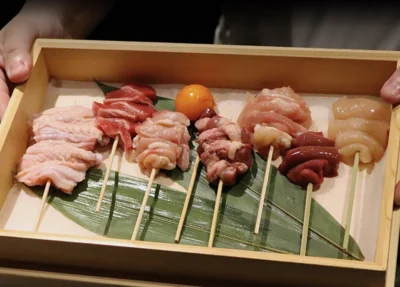
¿Qué es Yakitori?: Yakitori highlights skewered chicken grilled over open flame, offering a spectrum of textures and aromas. Menus commonly include juicy thigh, classic negima, tsukune meatballs, crisp skin, heart, and cartilage, each seasoned simply with salt or brushed with a glossy tare. The sizzle of charcoal, a gentle smokiness, and attentive heat control shape the character of every bite. Many places add balance with vegetable skewers such as shishito, scallion, and mushrooms, while condiments like citrus, sansho, or yuzu kosho brighten the finish. The experience often centers on the counter, where guests watch skewers turned in steady rhythm and enjoy pieces as they are ready. Selections may conclude with comforting items like chicken broth or oyakodon. Whether stopping in for a few skewers or settling into a paced progression, yakitori presents a focused, fireside way to explore the nuances of the bird and the craft of live-fire cooking.




 Japan Calificaciones de usuarios3.53(43 elementos)



 Japan Calificaciones de usuarios3.53(19 elementos)


 Japan Calificaciones de usuarios4.26(86 elementos)


 Japan Calificaciones de usuarios3.19(3 elementos)


 Japan Calificaciones de usuarios4.47(42 elementos)


 Japan Calificaciones de usuarios3.67(29 elementos)


 Japan Calificaciones de usuarios4.55(37 elementos)
.jpg?format=webp)
.jpg?format=webp)
.jpg?format=webp)
.jpg?format=webp)
.jpg?format=webp)
 Japan Calificaciones de usuarios3.25(4 elementos)
Japan Calificaciones de usuarios3.25(4 elementos)


 Japan Calificaciones de usuarios4.01(69 elementos)
.jpg?format=webp)
.jpg?format=webp)
.jpg?format=webp)
.jpg?format=webp)
.jpg?format=webp)
.jpg?format=webp)


 Japan Calificaciones de usuarios3.68(24 elementos)


.png?format=webp)
.jpeg?format=webp)
.jpeg?format=webp)
 Japan Calificaciones de usuarios3.73(11 elementos)
Japan Calificaciones de usuarios3.73(11 elementos)


.jpg?format=webp)
.jpg?format=webp)
.jpg?format=webp)
 Japan Calificaciones de usuarios3.64(5 elementos)
Japan Calificaciones de usuarios3.64(5 elementos).jpg?format=webp)
.jpg?format=webp)
.jpg?format=webp)
.jpg?format=webp)
.jpg?format=webp)
 Japan Calificaciones de usuarios3.66(1 elementos)
Japan Calificaciones de usuarios3.66(1 elementos)


 Japan Calificaciones de usuarios3.65(1 elementos)


 Japan Calificaciones de usuarios3.66(3 elementos)


 Japan Calificaciones de usuarios3.53(11 elementos)


 Japan Calificaciones de usuarios3.44(3 elementos)
.jpg?format=webp)
.jpg?format=webp)
.jpg?format=webp)
.jpg?format=webp)
.jpg?format=webp)
 Japan Calificaciones de usuarios3.62(2 elementos)
Japan Calificaciones de usuarios3.62(2 elementos)


 Japan Calificaciones de usuarios3.46(6 elementos)


.jpeg?format=webp)
.jpeg?format=webp)
.jpeg?format=webp)
 Japan Calificaciones de usuarios3.71(6 elementos)
Japan Calificaciones de usuarios3.71(6 elementos)


.jpg?format=webp)

.jpg?format=webp)