Che cosa è Tokyo?: Tokyo’s dining scene brings together classic washoku techniques and global flavors across an ever-changing metropolis. From Edomae-style sushi, soba, tempura, and grilled eel to contemporary tasting menus and casual counter dining, the range of experiences is broad. Markets, food halls, and yokocho alleyways create a rhythm that shifts from early-morning bustle to late-night snacks, while department-store depachika showcase seasonal bento, sweets, and prepared dishes. Many chefs highlight ingredients drawn from surrounding seas and mountains, and diners encounter everything from quick stand-and-eat shops to intimate chef-led courses. A hallmark of local history is the Edo-era street food culture that helped shape Tokyo’s preference for skillful, efficient service and clear flavors, an influence still felt in today’s ramen shops, tempura counters, and sushi bars. Pop-ups and limited-time menus appear across districts, reflecting a spirit of experimentation that complements time-honored craft.
Che cosa è Tempura?: Tempura highlights the pleasure of batter and oil handled with restraint and precision. Diners often encounter prawns, white fish, squid, and seasonal vegetables lightly coated in a chilled batter and fried at a high temperature, yielding a crisp shell with tender textures inside. The experience frequently centers on timing: pieces arrive moments after leaving the fryer, inviting a relaxed pace as each bite is enjoyed while hot. Condiments such as tentsuyu with grated daikon, sea salt, or matcha salt offer contrasting accents. Menus may feature a counter service where items are presented one by one, mixed assortments for sharing, or pairings with rice and noodles like tendon, tempura soba, and udon. Variations in oil blends, batter thickness, and cut size create distinct aromas, sounds, and textures—from a gentle crackle to a lively sizzle—encouraging guests to compare nuances across ingredients and styles.


 Japan Valutazioni degli utenti4.06(4risultati)



 Japan Valutazioni degli utenti3.81(17risultati)


 Japan Valutazioni degli utenti4.35(85risultati)

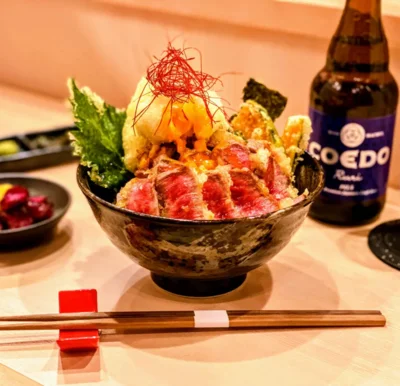


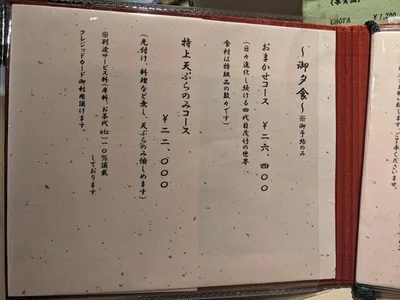

 Japan Valutazioni degli utenti3.81(2risultati)


.png?format=webp)


 Japan Valutazioni degli utenti3.60(1risultati)


.jpg?format=webp)
.jpg?format=webp)
.jpg?format=webp)
.jpg?format=webp)
.jpg?format=webp)
 Japan Valutazioni degli utenti4.07(4risultati)
Japan Valutazioni degli utenti4.07(4risultati).jpg?format=webp)
.jpg?format=webp)
.jpg?format=webp)
.jpg?format=webp)
.jpg?format=webp)
.jpg?format=webp)


 Japan Valutazioni degli utenti3.58(2risultati)


 Japan Valutazioni degli utenti3.60(4risultati)


 Japan Valutazioni degli utenti4.17(51risultati)


.jpg?format=webp)
.jpg?format=webp)
.jpg?format=webp)
.jpg?format=webp)
.jpg?format=webp)
.jpg?format=webp)
.jpg?format=webp)
.jpg?format=webp)
.jpg?format=webp)
 Japan Valutazioni degli utenti3.49(1risultati)
Japan Valutazioni degli utenti3.49(1risultati)


 Japan Valutazioni degli utenti3.49(5risultati)
.jpg?format=webp)
.jpg?format=webp)
.jpg?format=webp)
.jpg?format=webp)
.jpg?format=webp)
.jpg?format=webp)


 Japan Valutazioni degli utenti4.19(5risultati)


 Japan Valutazioni degli utenti3.30(2risultati)
.jpg?format=webp)
.jpg?format=webp)
.jpg?format=webp)
.jpg?format=webp)
.jpg?format=webp)
.jpg?format=webp)


.jpg?format=webp)
.jpg?format=webp)


.jpg?format=webp)