Che cosa è Kyoto?: Kyoto is a prefecture where culinary tradition and seasonal sensitivity shape an inviting, quietly refined dining culture. Visitors encounter kaiseki that highlights nuanced dashi, temple-inspired shojin cuisine, comforting yudofu, and homestyle obanzai that makes thoughtful use of Kyoto vegetables. The region is also associated with delicate wagashi and desserts featuring Uji matcha, while local sake from the Fushimi area is often paired to emphasize balance and aroma. Tucked into wooden townhouses and along calm lanes, many venues favor restrained presentation, attentive service, and harmony between tableware and ingredients. Markets and small producers encourage menus that shift with the calendar, keeping flavors closely tied to place and time. A distinctive thread in Kyoto’s food history is the interplay between courtly tastes and monastic discipline, which has long nurtured an appreciation for nuance over showiness. As a result, dining here often feels rooted yet evolving.
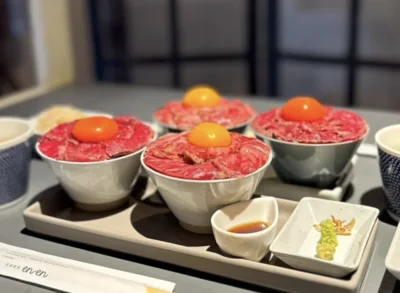
Che cosa è Yakiniku?: Yakiniku centers on the pleasure of grilling bite-sized cuts of meat over a tabletop grate, letting diners control the heat and doneness. Menus typically highlight a range of cuts—short rib, ribeye, skirt, and tongue—offered plain with salt or lightly marinated in soy-based tare. The sizzle and aroma from charcoal or gas roasters add a savory edge, while simple condiments like lemon, sesame oil, and house sauces invite small adjustments in flavor. Guests often mix and match platters, sampling lean and richly marbled pieces side by side. Side dishes such as kimchi, namul, crisp salads, steamed rice, or chilled noodles round out the experience. Many restaurants provide smoke-reducing hoods and efficient ventilation, keeping attention on conversation and the grill. Whether sharing a spread with friends or focusing on a curated selection, yakiniku offers a relaxed, hands-on meal that balances variety, pace, and aroma.


 Japan Valutazioni degli utenti3.51(4risultati)


 Japan Valutazioni degli utenti4.33(27risultati)
.jpg?format=webp)
.jpg?format=webp)
.jpg?format=webp)
.jpg?format=webp)
.jpg?format=webp)
.jpg?format=webp)


 Japan Valutazioni degli utenti3.76(2risultati)


 Japan Valutazioni degli utenti3.71(3risultati)
.jpg?format=webp)
.jpg?format=webp)
.jpg?format=webp)
.jpg?format=webp)
.jpg?format=webp)
 Japan Valutazioni degli utenti3.70(1risultati)
Japan Valutazioni degli utenti3.70(1risultati)


.jpg?format=webp)
.jpg?format=webp)
.jpg?format=webp)
.jpg?format=webp)
.jpg?format=webp)
.jpg?format=webp)
.jpg?format=webp)
.jpg?format=webp)
.jpg?format=webp)
 Japan Valutazioni degli utenti3.68(4risultati)
Japan Valutazioni degli utenti3.68(4risultati)


 Japan Valutazioni degli utenti3.62(2risultati)


.png?format=webp)
.jpg?format=webp)
.jpg?format=webp)
.jpg?format=webp)
.jpg?format=webp)
 Japan Valutazioni degli utenti3.62(4risultati)
Japan Valutazioni degli utenti3.62(4risultati).jpg?format=webp)


.jpg?format=webp) Japan Valutazioni degli utenti3.57(2risultati)
Japan Valutazioni degli utenti3.57(2risultati)


 Japan Valutazioni degli utenti3.52(2risultati)




.jpg?format=webp)
.jpg?format=webp)
.jpg?format=webp)
.jpg?format=webp)
.jpg?format=webp)
 Japan Valutazioni degli utenti3.50(1risultati)
Japan Valutazioni degli utenti3.50(1risultati)


 Japan Valutazioni degli utenti3.62(4risultati)


 Japan Valutazioni degli utenti3.48(2risultati)


 Japan Valutazioni degli utenti3.45(2risultati)
.jpg?format=webp)
.jpg?format=webp)
.jpg?format=webp)
.jpg?format=webp)
.jpg?format=webp)
 Japan Valutazioni degli utenti3.48(2risultati)
Japan Valutazioni degli utenti3.48(2risultati)


.jpg?format=webp)


.jpg?format=webp)


.jpg?format=webp)