Che cosa è Iwate?: Framed by the Sanriku coast and forested highlands, Iwate offers a dining landscape where seafood and mountain ingredients meet. Coastal kitchens feature seasonal catch prepared with restraint to highlight freshness, while inland menus lean into river fish, wild greens, and comforting hot pots. The prefecture is often associated with the lively wanko soba serving style, and Morioka’s noodle culture, including reimen and jajamen, brings a casual everyday charm. Locally raised beef, dairy, and artisanal tofu appear alongside sake from regional breweries. Tableware also tells a story, with Nambu ironware and lacquer enriching the look and feel of meals. A distinctive thread in Iwate’s food history is a mochi-centered celebratory custom said to be observed in some communities, reflecting ties between harvests, worship, and hospitality. From morning markets to countryside eateries, the region invites unhurried tasting shaped by the rhythm of the seasons.
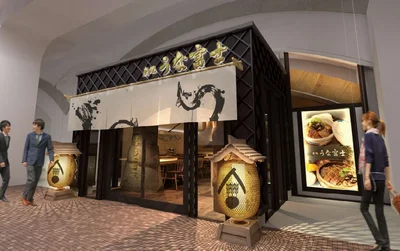
Che cosa è Eel?: Eel-focused restaurants highlight the pleasure of slow grilling over charcoal, where glossy tare lends a gentle sweetness and sheen while the skin turns lightly crisp and the flesh stays tender. Many menus feature kabayaki alongside salt-grilled fillets, and some kitchens employ a steam-then-grill method to emphasize a delicate texture. Bowls and lacquered boxes of eel over rice are common, as are regional styles that invite multiple ways to eat in one sitting. Diners may encounter white-grilled cuts seasoned simply, omelets rolled around eel, or a clear broth made with the liver. The counter often showcases the sizzle and aroma from the grill, shaping a dining experience that balances smoke, sauce, and craftsmanship. Attention to butchery, skewering, and precise heat control is central to the appeal, with small side dishes and pickles rounding out a meal that favors nuance and measured richness.
.jpg?format=webp)


.jpg?format=webp)

.jpg?format=webp)



.jpg?format=webp)