Qu’est-ce que Japan ?: Japan’s dining scene is often described as a dialogue between seasons, craftsmanship, and regional identity. From sushi, tempura, and kaiseki to ramen, yakitori, and wagashi, menus tend to highlight clarity of flavor and careful presentation. Travelers may notice distinct local styles: Hokkaido’s seafood, Tohoku’s comfort stews, Tokyo’s soba and modern interpretations, Kansai’s okonomiyaki and kushikatsu, Shikoku’s udon, Kyushu’s tonkotsu ramen, and Okinawa’s island influences. Many venues emphasize dashi, fermented seasonings such as miso and soy sauce, and precise knife work. A tradition linked to tea ceremony hospitality is said to shape the understated service and attention to detail found in many dining rooms. Street-side counters, casual izakaya, and refined multicourse experiences coexist, encouraging spontaneous tastings and planned outings alike. Seasonal specials, chef’s selections, and collaborative pop-ups appear in various neighborhoods, suggesting a food culture that balances heritage with ongoing creativity.
Qu’est-ce que Sushi ?: Sushi highlights the delicate balance of vinegared rice and carefully prepared seafood, with an emphasis on clean flavors and precise technique. Many counters present nigiri one piece at a time, allowing diners to notice details such as rice temperature, the cut of the fish, and a light brush of soy or a touch of citrus. Common styles include nigiri, maki rolls, temaki, and chirashi, while occasional searing, marination, or aging brings added depth. Seasonal selections often guide the progression of a meal, and some venues offer an omakase format that follows the chef’s rhythm. Beyond fish, vegetables, egg, and shellfish appear in thoughtful combinations. The experience may include conversation with the chef, pacing that builds from lighter bites to richer pieces, and a focus on texture as much as taste. Whether at a counter or a table, the appeal lies in craftsmanship and the expression of each ingredient.
Populaire chez Japan


 Japan Évaluations des utilisateurs4.47(82 avis)



 Japan Évaluations des utilisateurs4.10(748 avis)
.jpg?format=webp)
.jpg?format=webp)
.jpg?format=webp)
.jpg?format=webp)
.jpg?format=webp)
 Japan Évaluations des utilisateurs4.35(1 avis)
Japan Évaluations des utilisateurs4.35(1 avis)
.jpg?format=webp)
.jpg?format=webp)
.jpg?format=webp)
.jpg?format=webp)
.jpg?format=webp)
 Japan Évaluations des utilisateurs4.33(1 avis)
Japan Évaluations des utilisateurs4.33(1 avis)


 Japan Évaluations des utilisateurs3.55(14 avis)


 Japan Évaluations des utilisateurs3.50(3861 avis)


 Japan Évaluations des utilisateurs3.73(8 avis)


 Japan Évaluations des utilisateurs3.99(13 avis)


 Japan Évaluations des utilisateurs3.90(11 avis)
.jpg?format=webp)
.jpg?format=webp)


 Japan Évaluations des utilisateurs4.07(5 avis)

.jpeg?format=webp)
.jpeg?format=webp)

.jpeg?format=webp)
.jpg?format=webp) Japan Évaluations des utilisateurs3.16(7 avis)
Japan Évaluations des utilisateurs3.16(7 avis)


 Japan Évaluations des utilisateurs3.34(2 avis)
.jpg?format=webp)
.jpg?format=webp)
.jpg?format=webp)
.jpg?format=webp)
.jpg?format=webp)
.jpg?format=webp)
.jpg?format=webp)
.jpg?format=webp)
.jpg?format=webp)
.jpg?format=webp)
.jpg?format=webp)
.jpg?format=webp)


 Japan Évaluations des utilisateurs3.83(3 avis)


 Japan Évaluations des utilisateurs3.67(1 avis)


 Japan Évaluations des utilisateurs4.06(32 avis)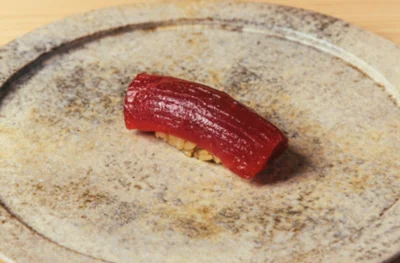


.jpg?format=webp)