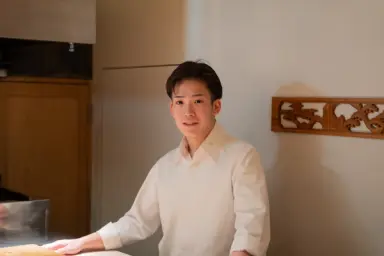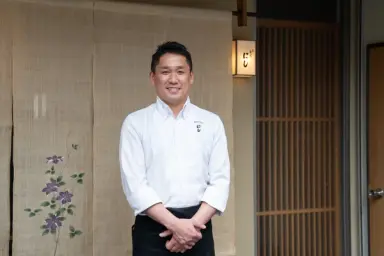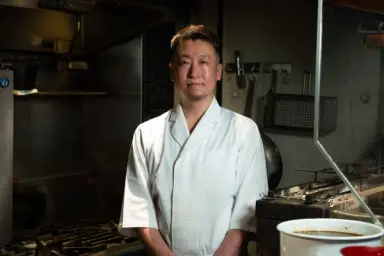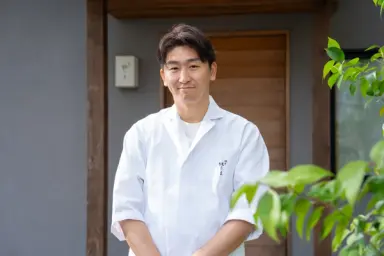

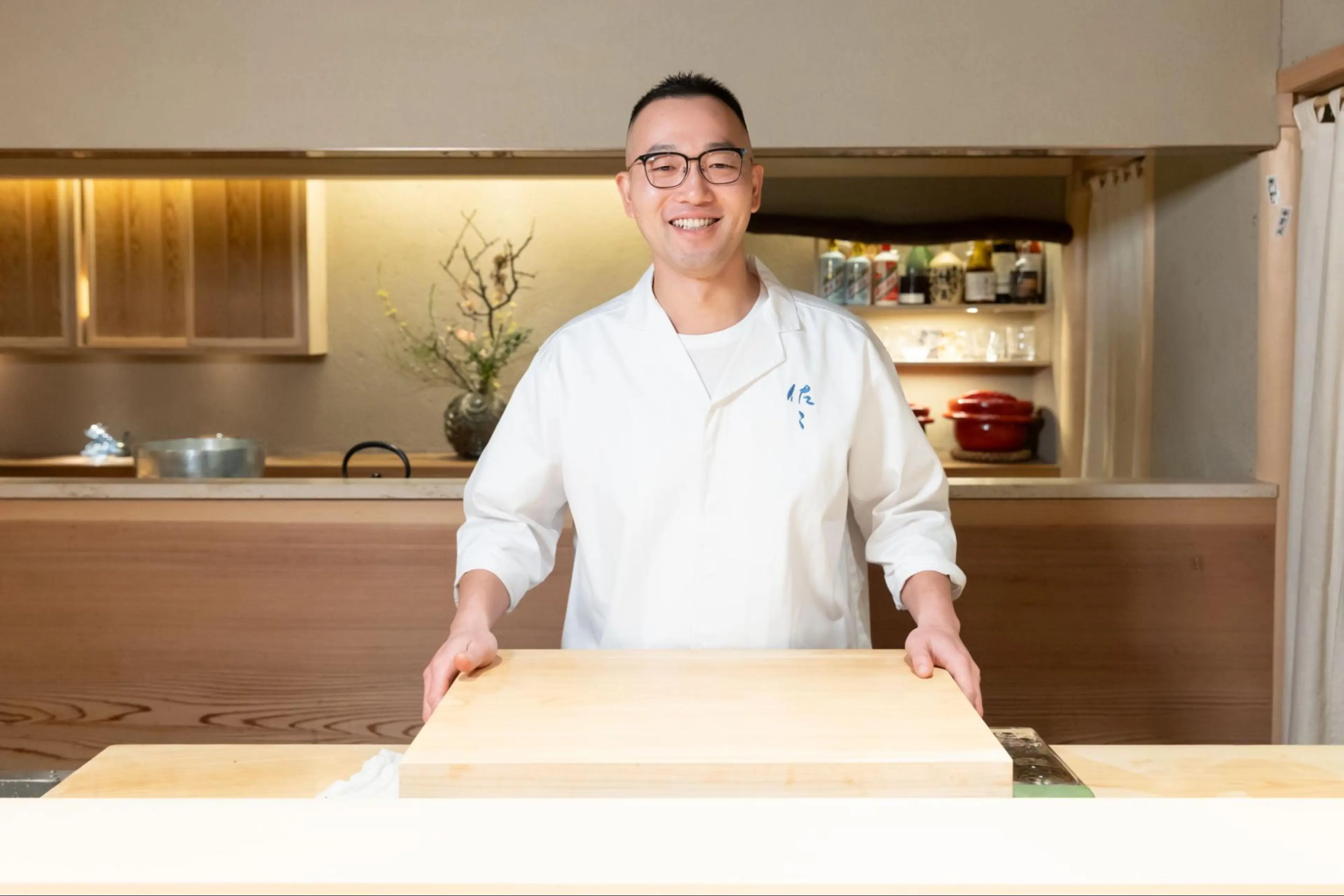
"Mastering the Deliciousness of 'Moments' and 'The Royal Path' – The Thoughts of Chef Yuuki Sassa, Owner of 【Japanese Cuisine Sassa】
"Chasing His Childhood Dream with Determination – Relentlessly Pursuing the Path of Cooking
ーーーWhat inspired you to become a chef?
There wasn’t any special trigger; I’ve wanted to be a chef since I was a child. While my friends wanted to be bakers or soccer players, my dream was always to be a chef. I wasn’t very good at studying and I liked hands-on activities like crafts and making things. I also often helped my parents with cooking, and perhaps it’s because I enjoyed the praise I received every time I helped. I wasn’t praised for my studies, after all (laughs)."
"When my mother smiled and said, 'This is delicious,' after eating the food I made, it really made me happy as a child. Honestly, I don’t think it was that delicious—it was the kind of dish a first or second grader would make. But I believe that simple, positive emotion of feeling 'happy' as a child and 'enjoying' the process of cooking is what eventually led me down the path to becoming a chef."
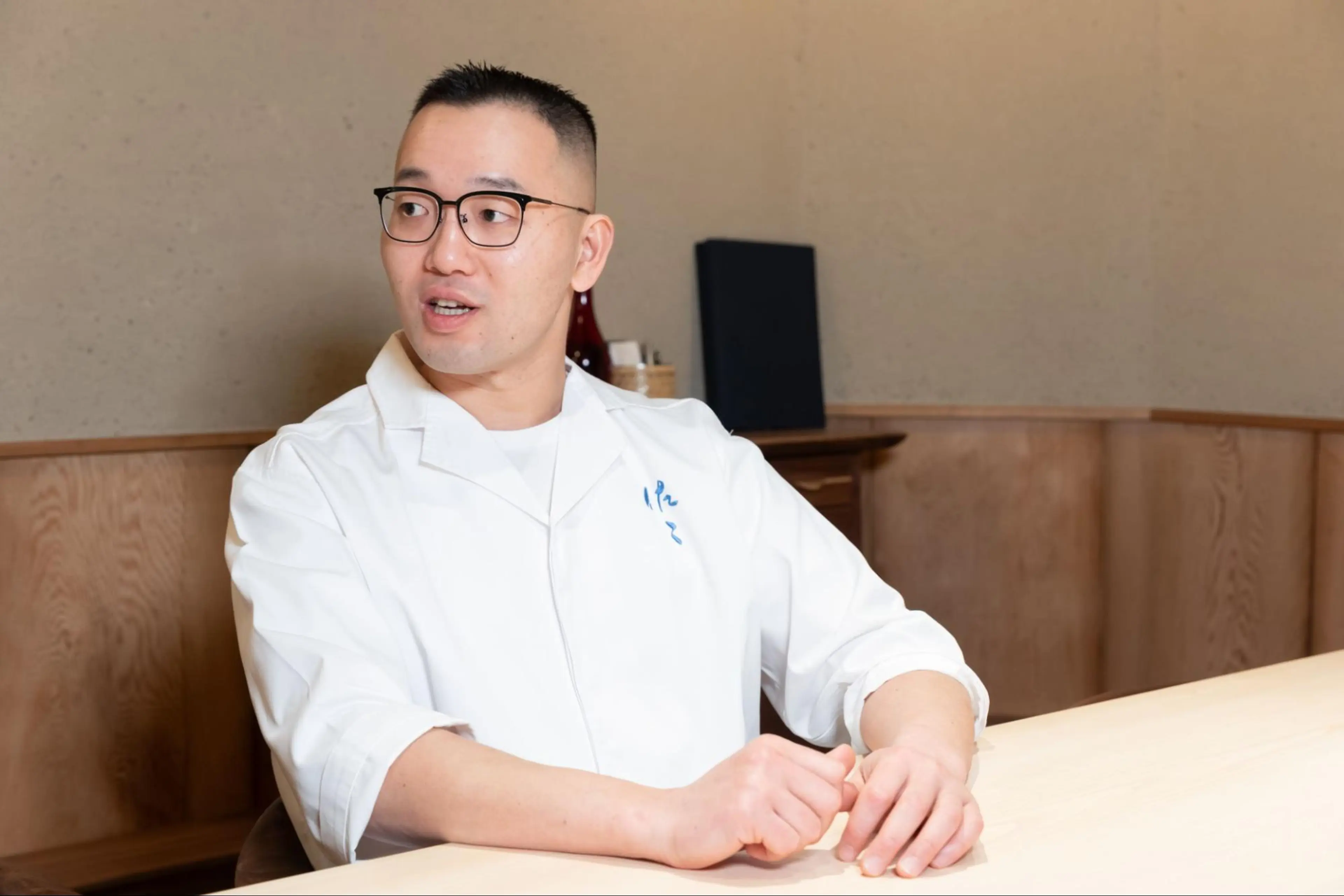
ーーーIt seems you were able to fulfill your childhood dream. Could you tell us about your career leading up to becoming a chef?
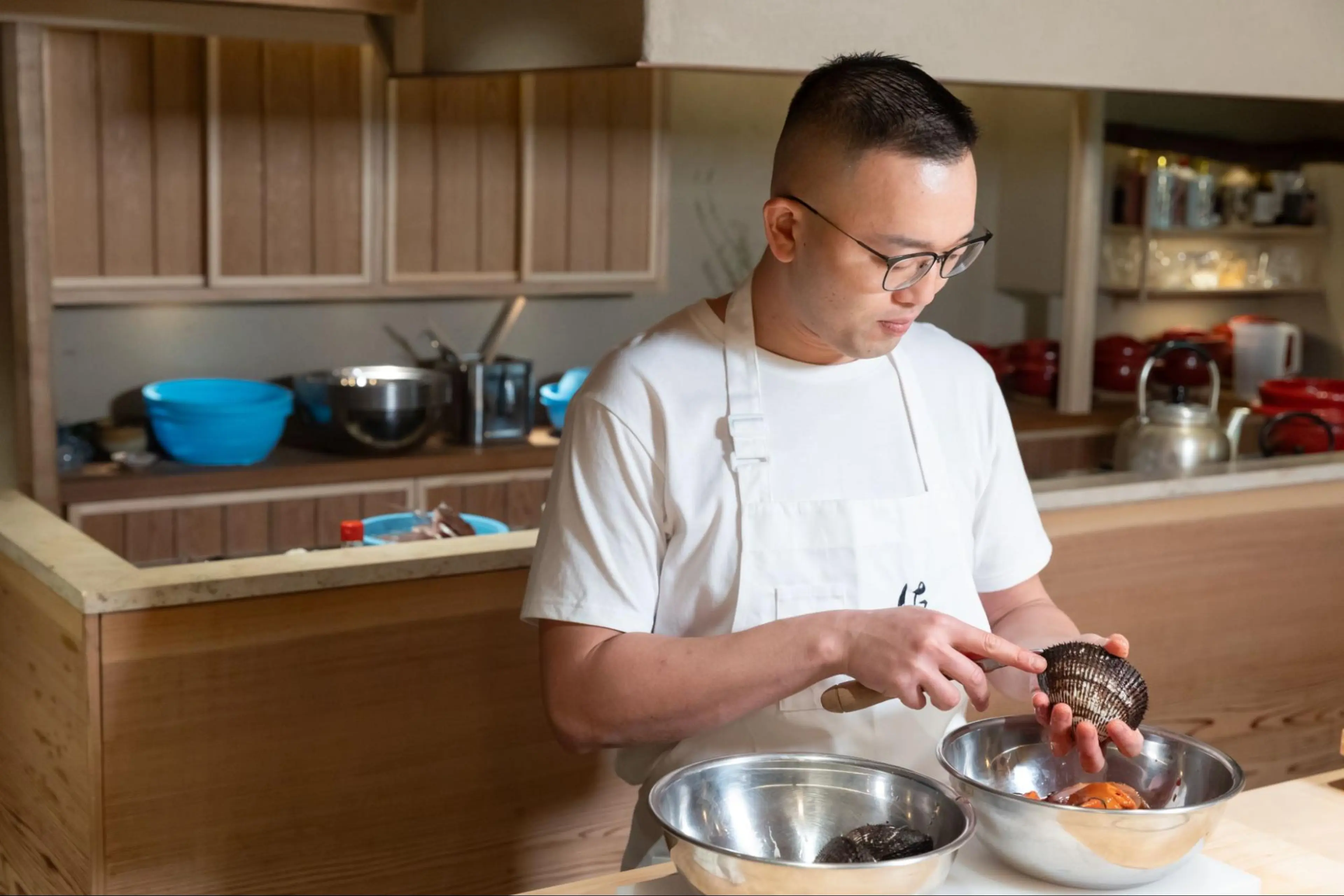
After graduating high school, I enrolled in Tsuji Culinary Institute. At the institute, we studied various types of cuisine, including French, Chinese, and Japanese, but I was most drawn to fish preparation. Simply put, I found it enjoyable, and I started thinking, 'I want to learn more about fish and work in a field where I can handle more fish.
Tsuji Culinary Institute is well known for its French department, and French cuisine is very popular. There was a study abroad program that allowed us to study French cuisine in France, and more than half of the students specialized in French cooking. When I told the teachers that I wanted to pursue sushi, they were surprised. At that time, sushi was mainly associated with Tokyo, while Japanese cuisine was more popular in Kansai. However, when I expressed my strong desire, one of the teachers introduced me to 【Sushidokoro Hirano】, and that's how I was able to start serious training in sushi.
ーーーAfter 【Sushidokoro Hirano】, you also trained at the kaiseki restaurant 【Oryori Hatada】. Did you develop an interest in Japanese cuisine as well?
During my training, I visited many restaurants to learn, but the dishes at 【Goryori Hatada】 were particularly delicious and made a strong impression on me. After graduating from 【Sushidokoro Hirano】, I had already decided to work at 【Nihonbashikakigaracho Sugita】, but I asked to spend the three months before going to Tokyo studying at 【Goryori Hatada】.
Since sushi restaurants also offer side dishes, I wanted to study that aspect as part of my training. I had already been well taken care of by the head chef at 【Goryori Hatada】, and I’m still grateful to this day for how kindly they accepted my request.
Moving to Seattle, Facing Setbacks, and Seizing Opportunities in China
ーーーChef Sassa, you first opened your own business in China, right?
Yes. After graduating from 【Nihonbashikakigaracho Sugita】, I first moved to Seattle. I had a close friend from Seattle when I was in culinary school, and he had returned to Seattle earlier to run his own restaurant. We had promised each other, 'One day, we’ll open a restaurant together,' so I decided to move to Seattle to fulfill that dream.
However, things didn’t go well at all. Seattle might seem like a major city from a Japanese perspective, but at that time the population was around 600,000 (currently around 750,000). In Japanese terms, it’s the scale of a regional area. Furthermore, I wanted to serve authentic Edo-style sushi like 【Sushidokoro Hirano】 and 【Nihonbashikakigaracho Sugita】, but it was hard to get accepted due to cultural and generational differences. To put it bluntly, it was the kind of situation where you had to serve something like California rolls to get customers in. It wasn’t the direction I had envisioned, and I felt that all my training had no meaning in that environment, which was really difficult at the time.
In the end, after discussing with my friend, we decided to close the restaurant after just four months. At that time, a senior apprentice from my days at 【Sushidokoro Hirano】was running a restaurant in Shanghai and invited me to work with him. I had considered returning to Japan to open my own restaurant, but since I had made such a bold declaration to "go overseas!" before leaving, I felt it would be uncool to come back after only four months (laughs), so I made the bold decision to head to Shanghai next.
ーーーHow was it after you moved to Shanghai?
Shanghai was in the midst of a bubble economy at the time, and it was a period of great prosperity. There were many wealthy investors with strong financial power, always looking for new investment opportunities. My senior apprentice's sushi restaurant was thriving, and I received many offers to be recruited or invited to open my own business as well. With the encouragement of my senior, it quickly led to a plan for me to open my own restaurant in less than half a year. However, Chinese laws and culture were completely different from those in Japan... and it was nothing but a series of hardships (laughs).
ーーーWhat specific challenges did you face?
First of all, obtaining a business license was extremely difficult. The laws regarding restaurants were designed for serving Chinese cuisine, so there were many hurdles when trying to serve Japanese cuisine. For example, if you wanted to serve sashimi, you needed a dedicated sashimi preparation room. If you wanted to serve cold dishes, a separate cold dish room was required. If you wanted to install gas lines, a fireproof door was necessary. Moreover, there was no cultural concept of a counter in restaurants, so serving raw items like sashimi was not allowed. Acquiring all the necessary licenses could take anywhere from six months to a year before opening.
Additionally, it was difficult to ensure the quality of ingredients, and there were limitations on the types of fresh fish available. I realized that offering the ideal Edomae-style sushi I envisioned would be challenging, so I adopted a style where I served two to three pieces of sushi within a traditional Cha-kaiseki (tea ceremony cuisine) course. Over time, I was able to expand my network and secure fresher fish, but initially, it was a process of trial and error, enduring many hardships and making constant adjustments to somehow get the restaurant on track.
ーーーDespite the hardships, you managed a Japanese restaurant in China for eight years. Were there rewarding or enjoyable moments as well?
Since I was able to open my own restaurant as an owner, the sense of responsibility was significant, but so was the sense of fulfillment. Sushi was very popular in China, so it was rewarding to be able to apply the skills I had honed during my training, continually innovate, and pursue originality. Thanks to the restaurant’s success, we were able to move to larger spaces, and eventually, we managed to open three different types of restaurants on a single floor. I also learned that when operating on a single floor, only one business license was needed for all the establishments (laughs). The experience of thinking creatively and striving to improve within the given restrictions was a unique kind of learning that could only happen abroad, and I think it was quite enjoyable.
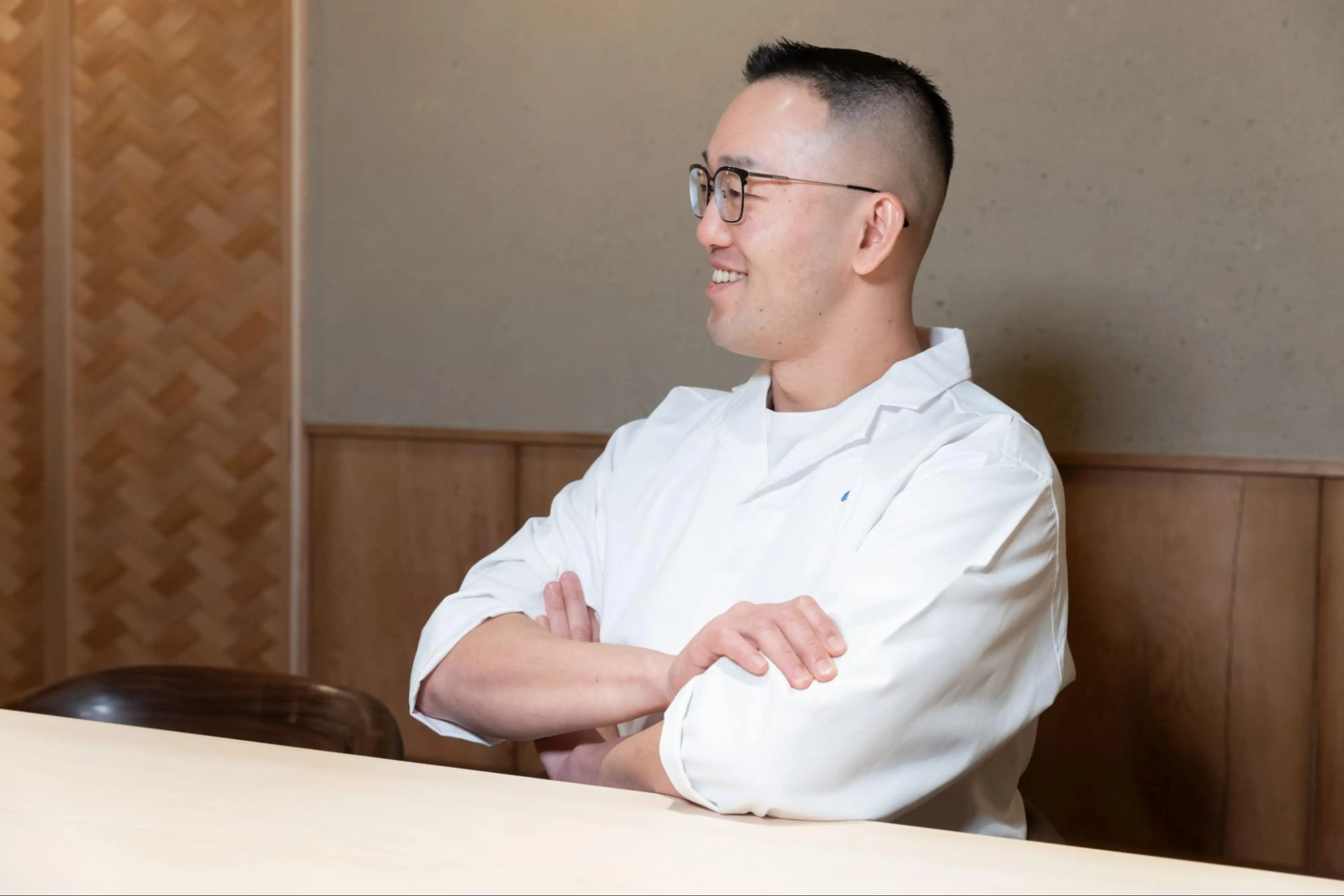
Aiming for New Cuisine Beyond Mastering the Classics
ーーーWhat inspired you to return to Japan and open 【Japanese Cuisine Sassa】?
I had always wanted to take on the challenge of running a restaurant in Japan someday, so I had been waiting for the right timing. Riku Toda, the owner-chef of 【Sushi Riku】, which operates on the same floor, was a senior from my training days at 【Nihonbashikakigaracho Sugita】. Like me, Riku-san had also been running a restaurant overseas, but he approached me and said, "Why don't we do something interesting together in Japan?" I have great respect for Riku-san, and for someone like me, who had always dreamed of working in Japan someday, it was truly a wonderful opportunity. By that time, the three restaurants I had established in Shanghai had developed enough talent to be managed independently, so I decided to return to Japan at that timing and open 【Japanese Cuisine Sassa】.
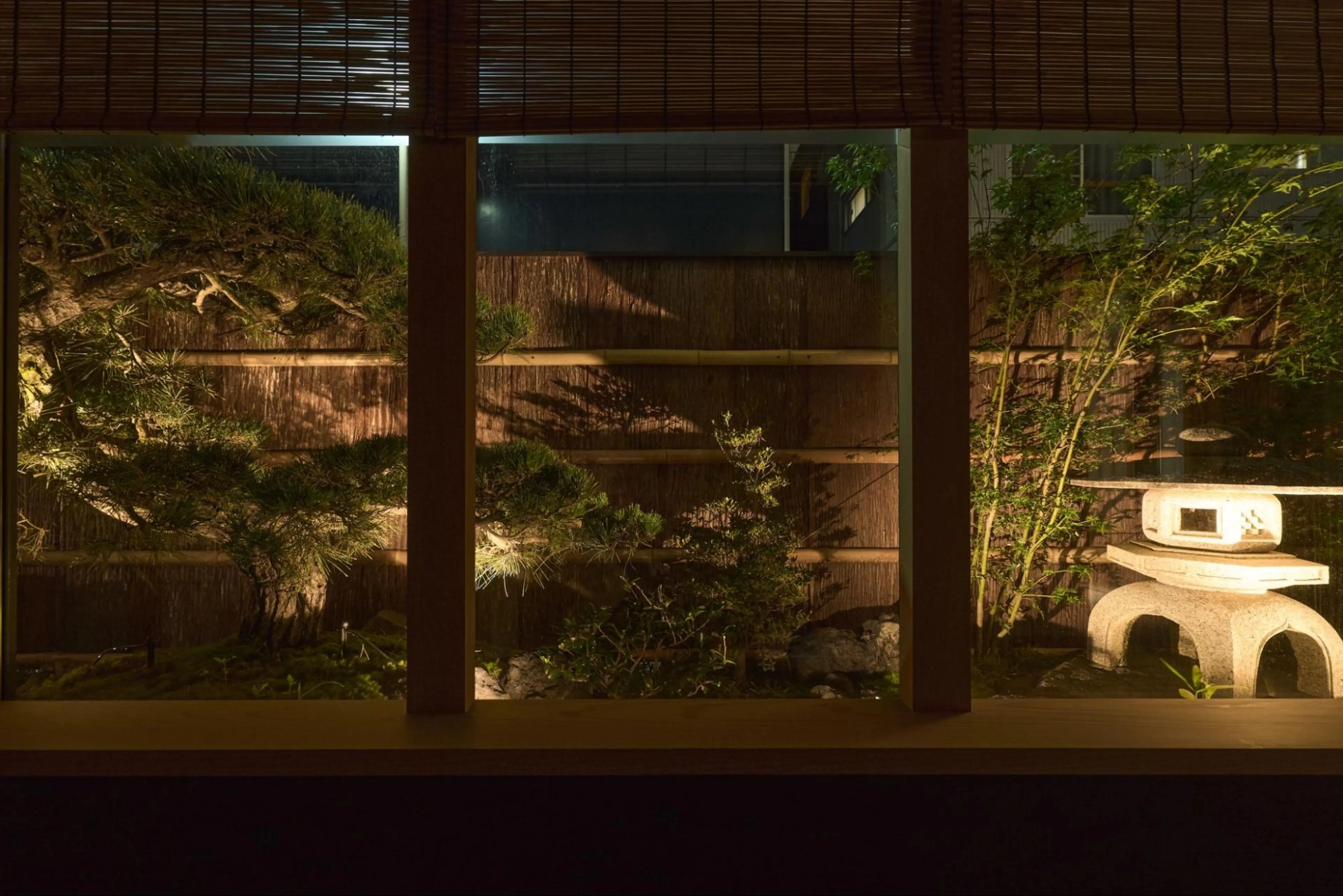
ーーーPlease tell us about your commitment to ingredients at 【Japanese Cuisine Sassa】.
Our primary commitment at the restaurant is to the kombu (kelp) we use. In Japan, the three major types of kombu are said to be "Ma-kombu, Rishiri-kombu, and Rausu-kombu," but I use Ma-kombu from Hokkaido. More restaurants tend to use Rishiri-kombu, and Rishiri has a more popular image. However, according to the standards of the Japan Kelp Association, Ma-kombu is actually rated the highest.
During the Edo period, the Kitamae-bune (※merchant ships that connected Osaka and Hokkaido from the Edo to the Meiji period) transported Rishiri-kombu to Kyoto, Rausu-kombu to Fukui, and Ma-kombu to Osaka, which was the most prosperous city at the time. As time went on, "Kyoto cuisine" came to represent Japanese cuisine, and thus Rishiri-kombu, used in Kyoto cuisine, also gained popularity. That historical background has influenced the current trends. In the end, it’s the local cultures passed down through generations that shape these traditions. I personally source wild Ma-kombu harvested from Kakkumi-hama in Hokkaido, and I’m so particular about it that I’ve even thought, "If I can no longer get this kombu, I’ll quit Japanese cuisine!"
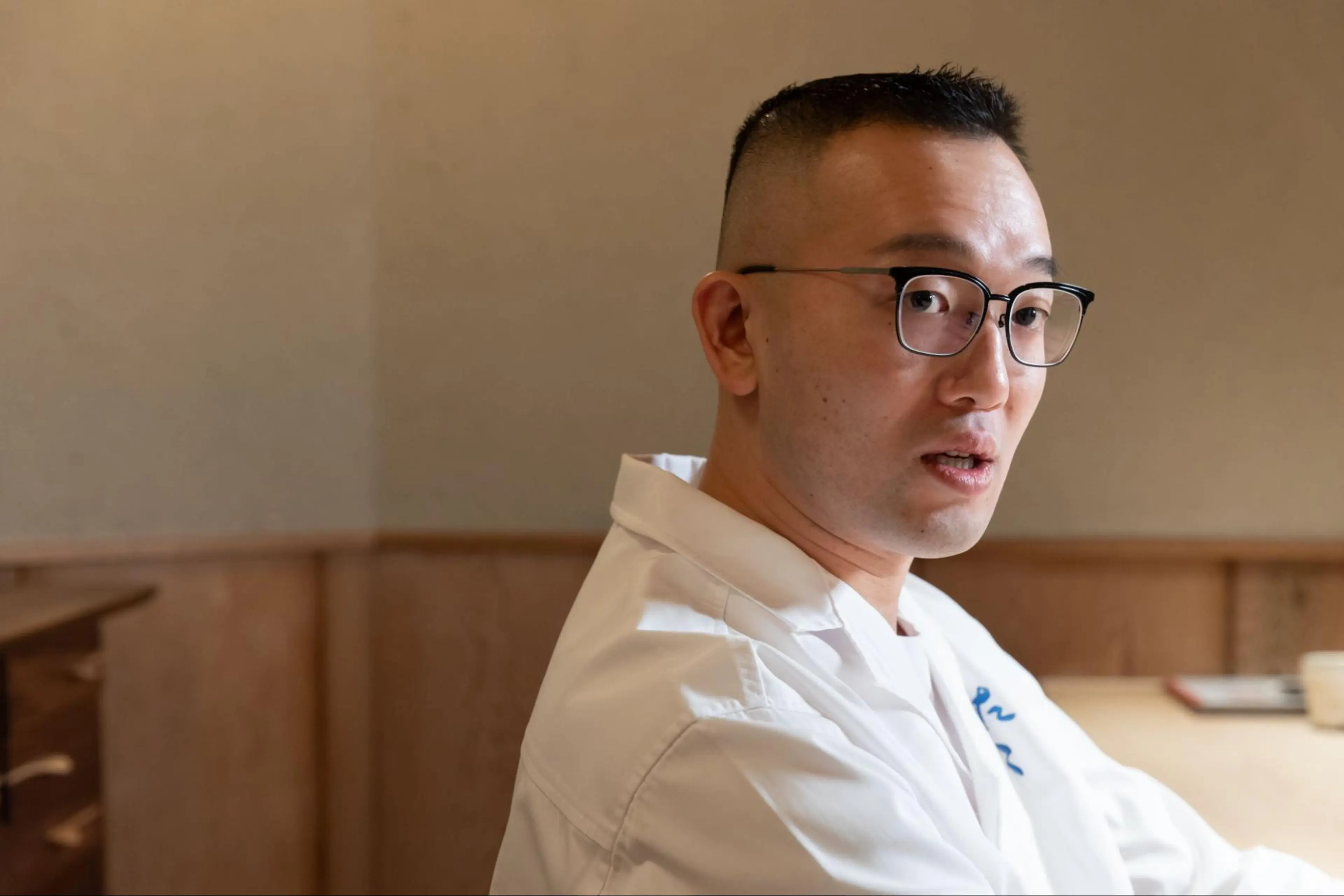
ーーーWhat are the differences in flavor among the various types of kombu?
The amount of umami components in Ma-kombu and Rishiri-kombu is almost the same. However, Rishiri-kombu has a slightly higher salt concentration. In terms of umami content, Rausu-kombu has about twice as much as Ma-kombu and Rishiri-kombu, but because it results in a cloudier color, it is more commonly used in dishes like ramen or oden. This is just my personal opinion, but I find Ma-kombu to be beautiful in every aspect. It has a clean, clear taste with very little off-flavor and a sense of transparency. Above all, the strong umami and aroma of the kombu are what I find truly "beautiful" and appealing.
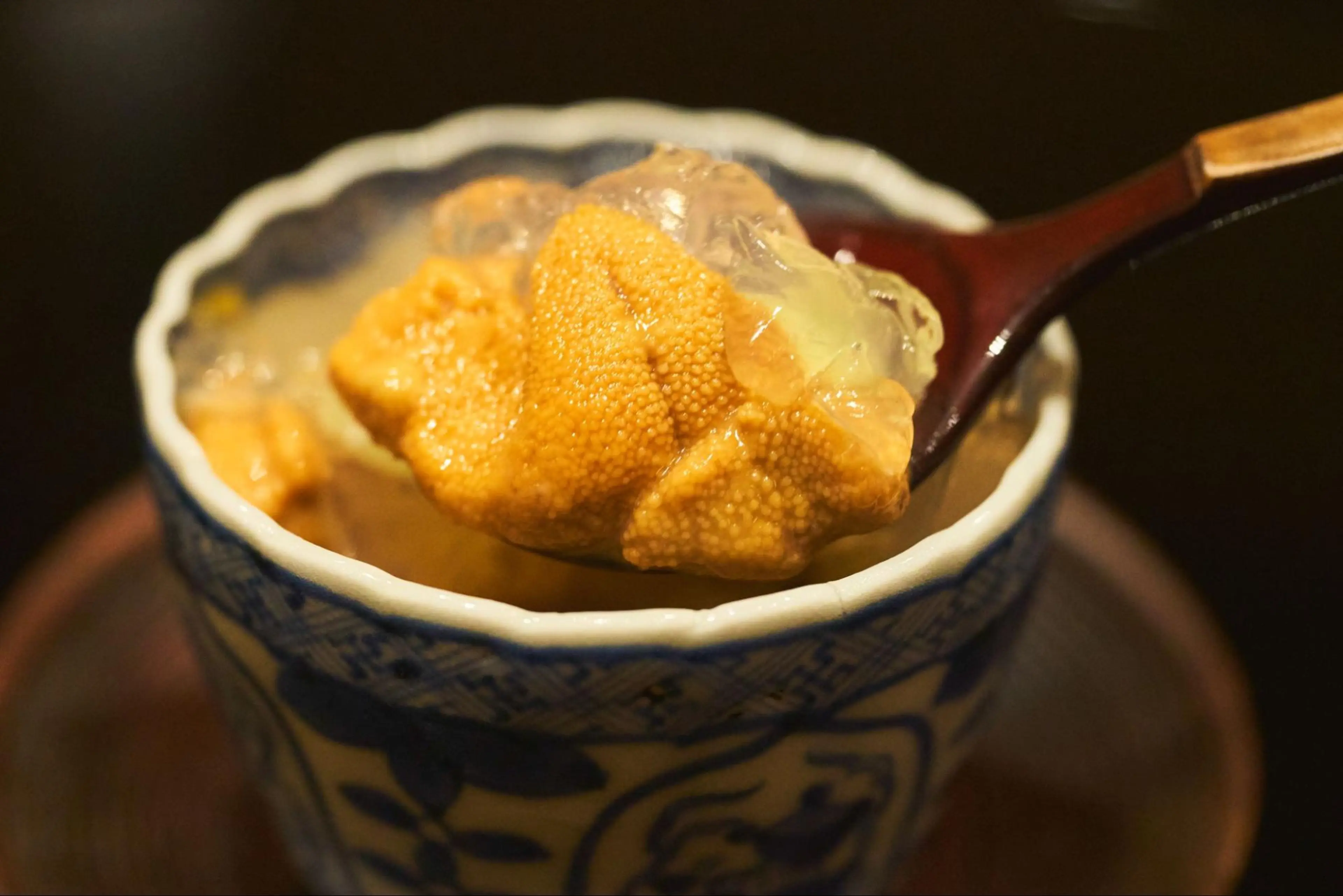
ーーーWe would love to hear more about your signature dish, "Goma Tofu."
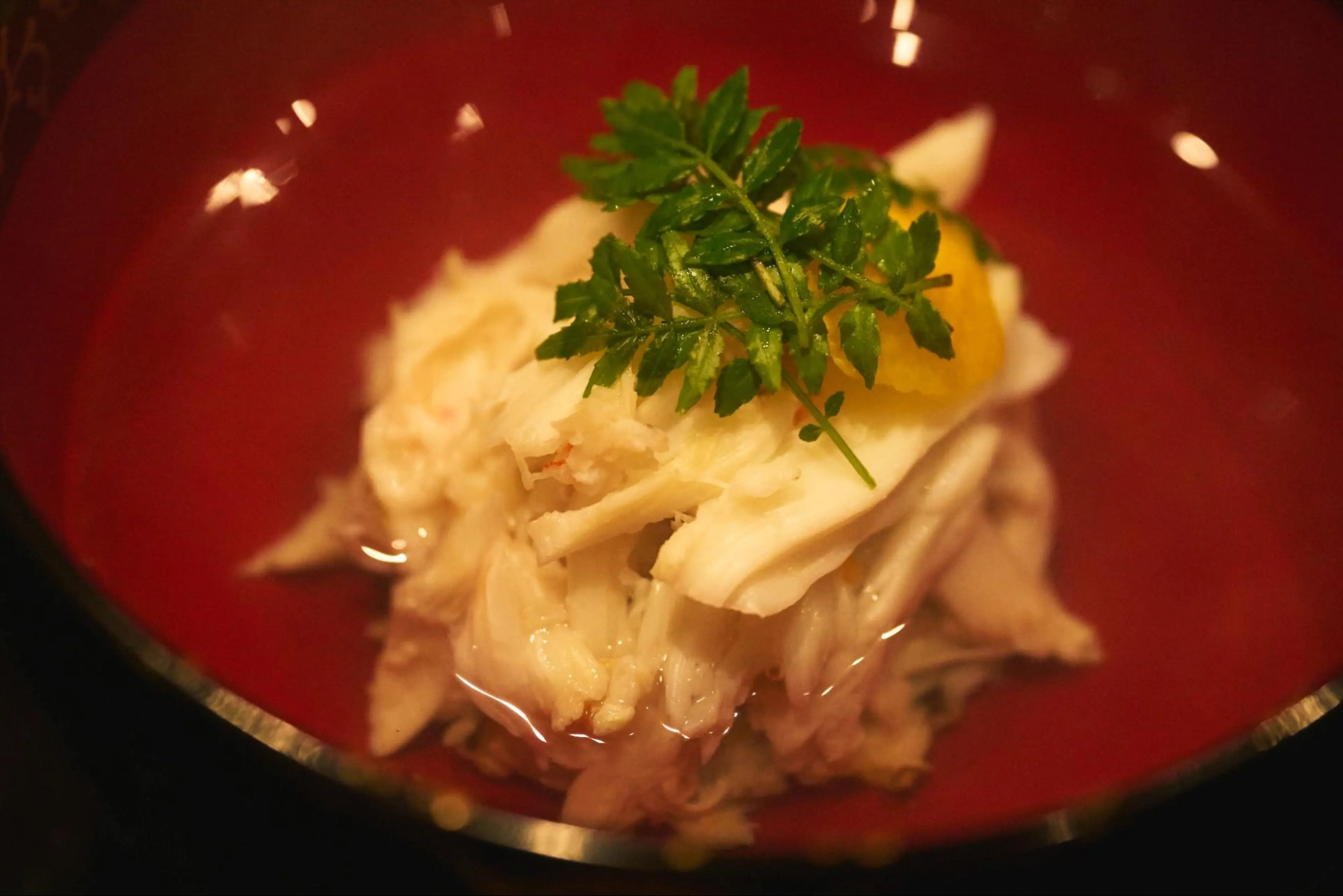
Goma Tofu (Sesame Tofu) is an extremely simple dish made only from sesame, kudzu, and kombu. It’s a classic dish that everyone familiar with Japanese cuisine knows, and any Japanese chef has likely made it at least once. However, because both the ingredients and seasoning are so simple, it’s not a dish that usually stands out. That’s why I thought it would be interesting if I could elevate Goma Tofu into something "exceptionally delicious."
Since I insist on serving it freshly made, I roast sesame seeds every day. I roast and press the sesame during lunch prep, knead it about an hour before service, and then solidify it with kudzu. By the time we serve it to customers, about an hour and twenty minutes later, it has chilled just perfectly, allowing us to present it at its most delicious moment.
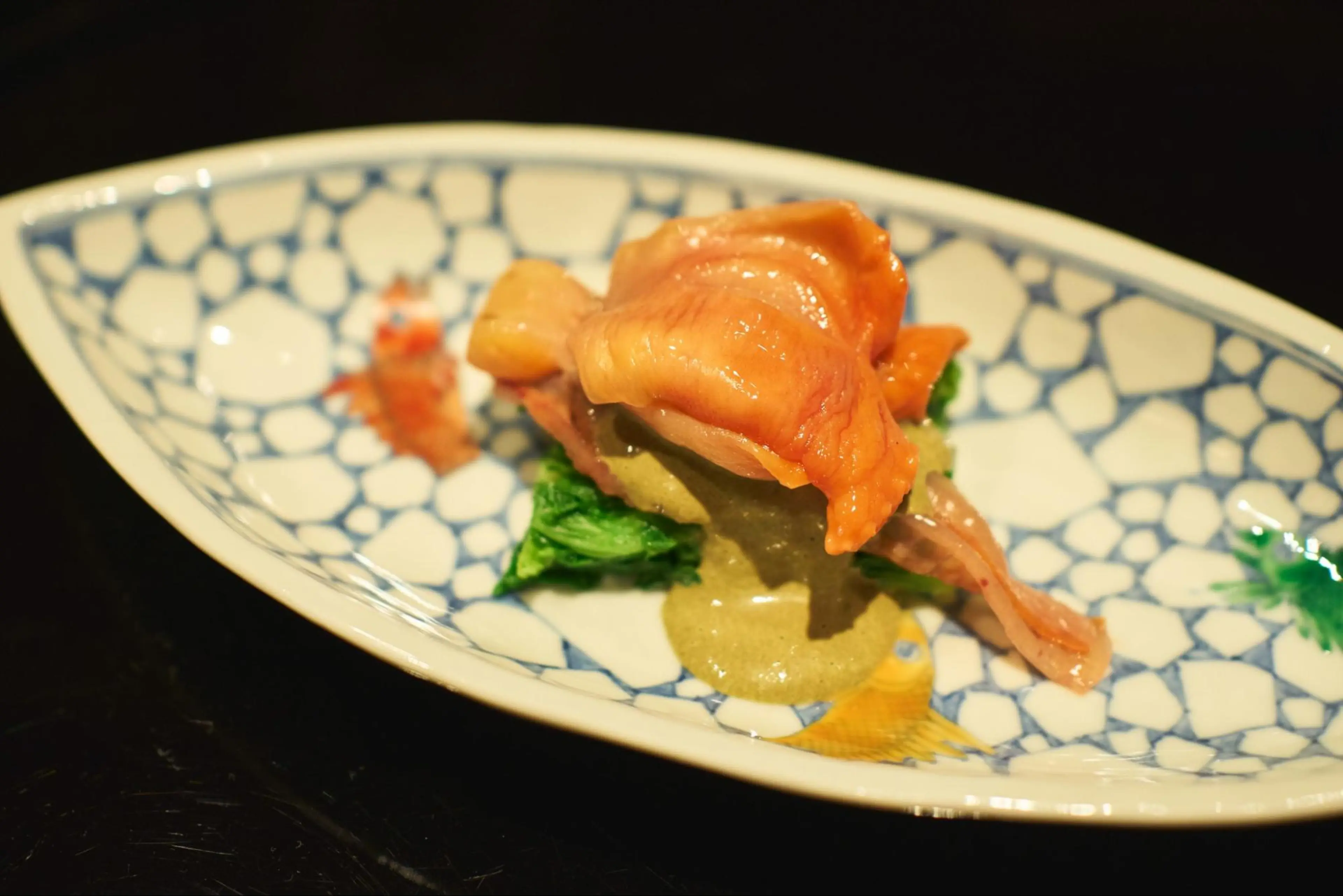
Another distinctive feature is the use of uni (sea urchin). Uni is typically associated with sushi, and it’s a challenging ingredient because it’s hard to find a preparation that surpasses how good it is when eaten as sushi. Normally, goma dofu is served with umadashi (a seasoned broth made from bonito and kombu dashi with mirin and soy sauce), but I felt that the bonito overpowered the kombu’s delicate qualities. So, instead, I decided to pair it with a kombu water jelly, which I solidify with agar. Additionally, uni naturally feeds on kombu, which gives it a kombu fragrance, making it an excellent match with goma dofu.
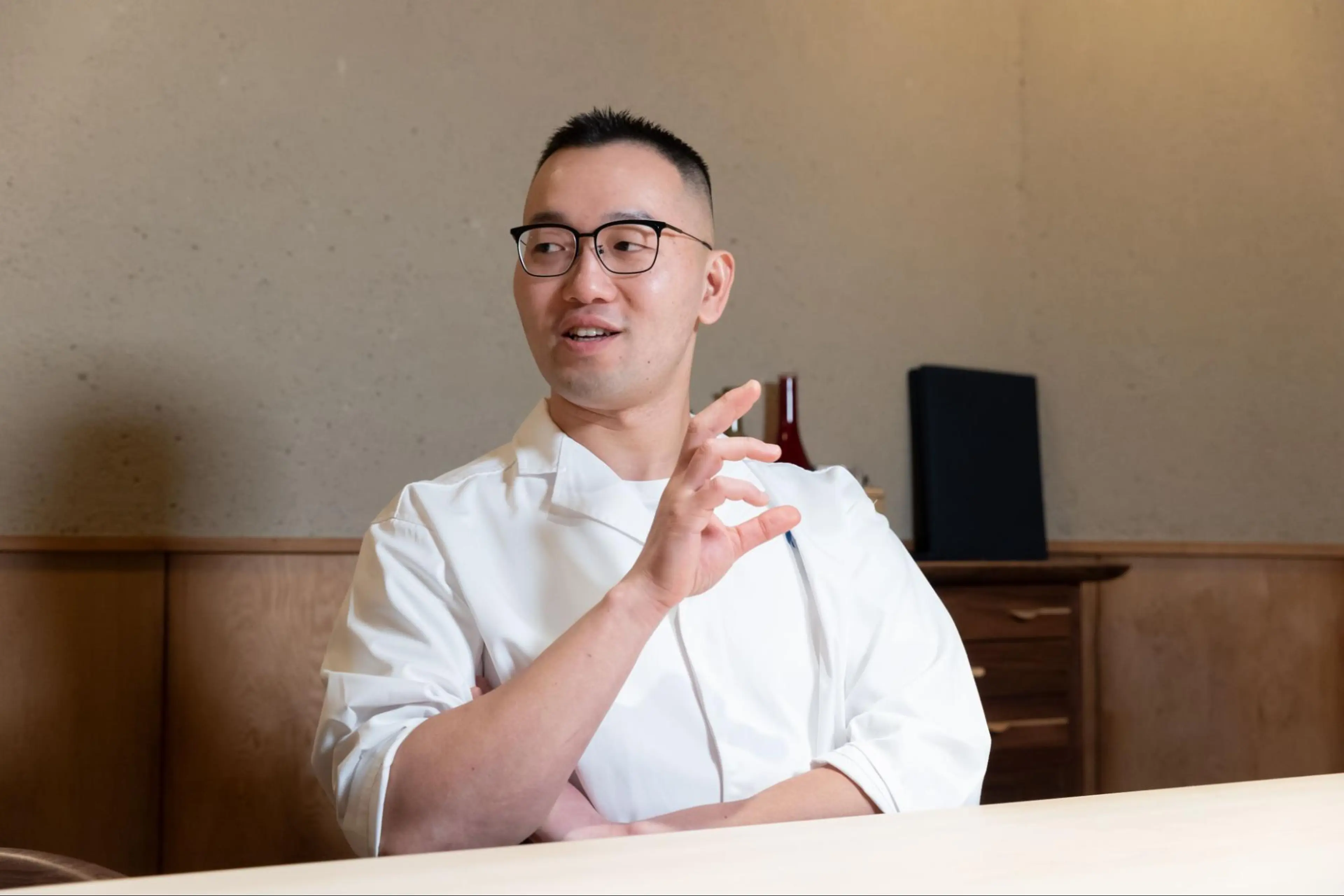
Honestly, I think it's easy to create something original just for the sake of being unique. However, as long as I am practicing Japanese cuisine, I want to avoid creating fusion or modernized dishes as much as possible. I want to respect the traditional dishes that have been passed down since ancient times, and if I can master the classics and then create something new and uniquely my own from there, that would be ideal. In that sense, this goma Tofu, which reflects 【Japanese Cuisine Sassa】's deep commitment to kombu, can truly be considered our signature dish.
ーーーAre there other ingredients you are particularly particular about?
One thing is that I source fish from my hometown, Hyogo Prefecture. When it comes to fish, Toyosu Market is of course very famous, but the fish sent to Tokyo from all over Japan sometimes arrive weakened or stressed from the change in seawater. Fish that are free from stress are by far the most delicious, so I was constantly searching for the best procurement method.
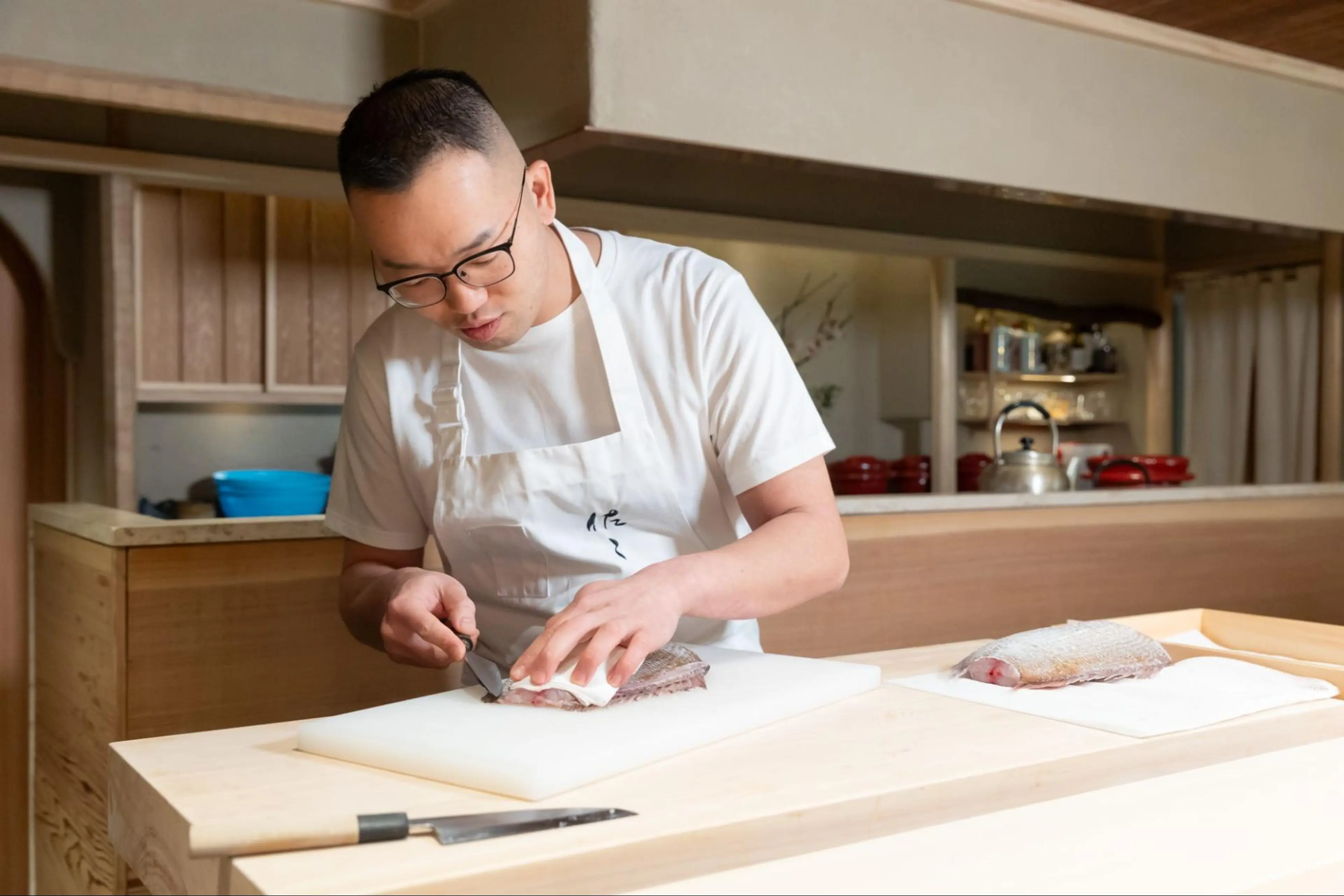
At that time, I reconnected with a high school classmate who runs a fish shop in my hometown. After discussing the matter with him, things progressed quickly. Now, I have fresh fish delivered by air every day; they are caught at 10 a.m. and arrive in the afternoon on the same day. The fish arrives in the freshest condition, and because we have this personal connection from school, my classmate is very accommodating, which I am very grateful for. Using fish from Awaji and Akashi is also a contribution to the local industry, which makes me happy, and it’s a great story to share with our customers, which makes conversations even more lively. I’m thankful for all the positives that come from this.
The Deliciousness of "Moments" That Transcend Culture and Environment
ーーーWhat are your future aspirations or things you would like to challenge?
Since we’ve just opened, my plan is to work hard and establish myself for about the next 10 years. I hope that our restaurant becomes a place loved by customers who appreciate good food, and I also want to become a well-known chef. For now, I plan to focus on honing my skills in Tokyo.
Looking further ahead, one of my goals is to eventually run a cooking inn, similar to an auberge. 【Tokuyamazushi】 in Shiga Prefecture opened an auberge focused on fermented cuisine and became a pioneer in Japan for this type of establishment. In fact, during my training years, I visited the restaurant about 15 times and received a lot of help from the owner. He took me fishing and even foraged wild vegetables with me, and through those experiences, I came to think, "This is the highest level a chef can reach." It’s still far off, but my ultimate goal is to live a chef's life like that of my admired Tokuyama-san. To achieve that, I must continue to work even harder in the present.
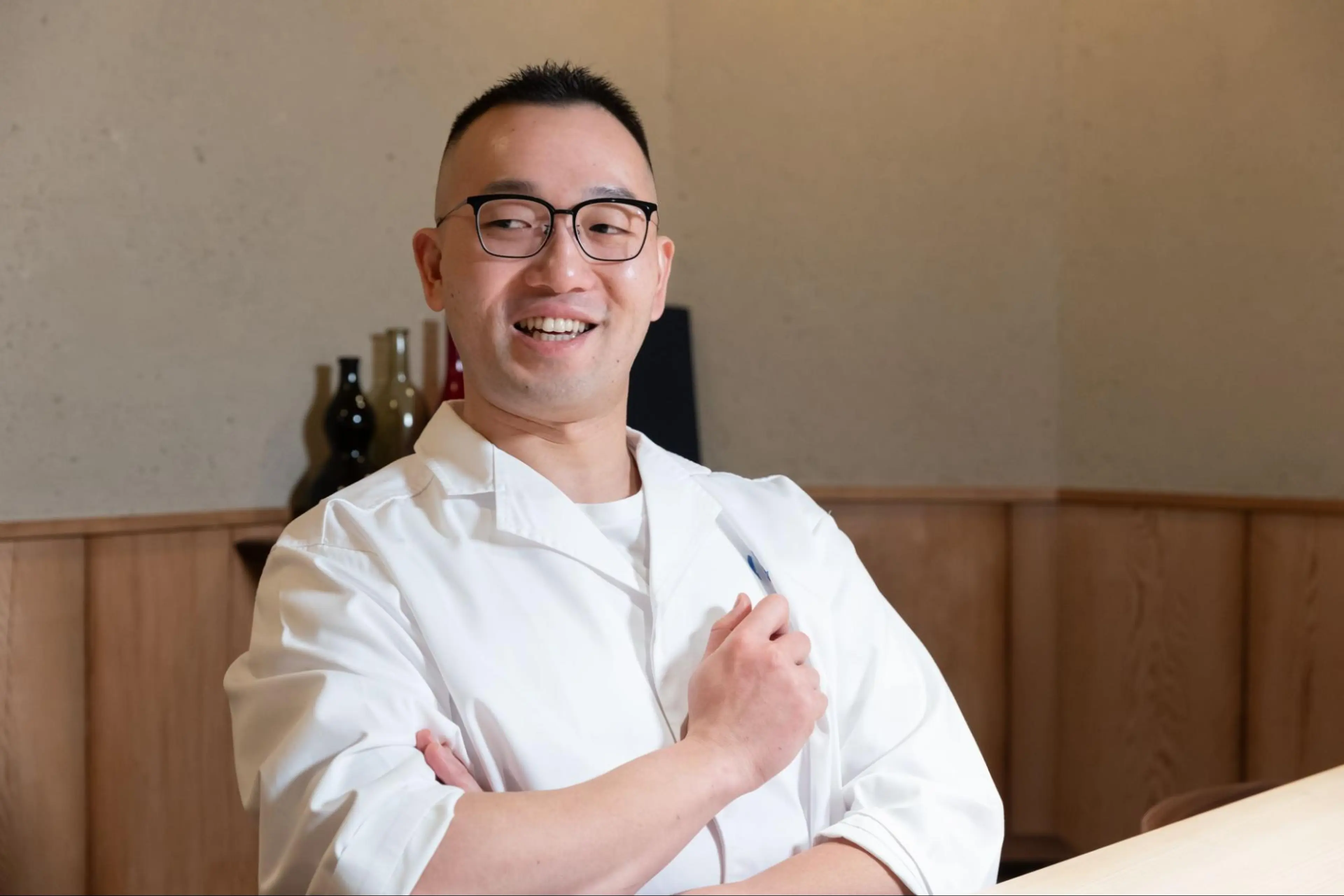
ーーーFinally, what does "delicious" mean to you?
"Delicious" is a very abstract term, isn’t it? It can change depending on experience and culture, and I believe there are different stages at which people perceive "delicious." For example, anyone who eats a hamburger or pizza will immediately think, "This is delicious," but few people would think that drinking kombu water is delicious. In other words, the deep, umami-rich taste of Japanese cuisine, which I consider "delicious," is a different concept—it can't be measured by the immediate "deliciousness" that people usually feel. Ultimately, "delicious" is influenced by experience and culture.
However, when it comes to the "deliciousness of freshness," I believe everyone agrees on that moment, regardless of experience or culture. Tempura is best when it’s freshly fried, and sushi is best when it’s freshly prepared. That’s why I don’t serve pre-made dishes, and I’ve made a commitment to serve the freshest, most delicious moment of the ingredients I’ve acquired that day. Moving forward, I want to continue delivering the "delicious" that 【Japanese Cuisine Sassa】 prides itself on, through the moments when the ingredients are at their best.
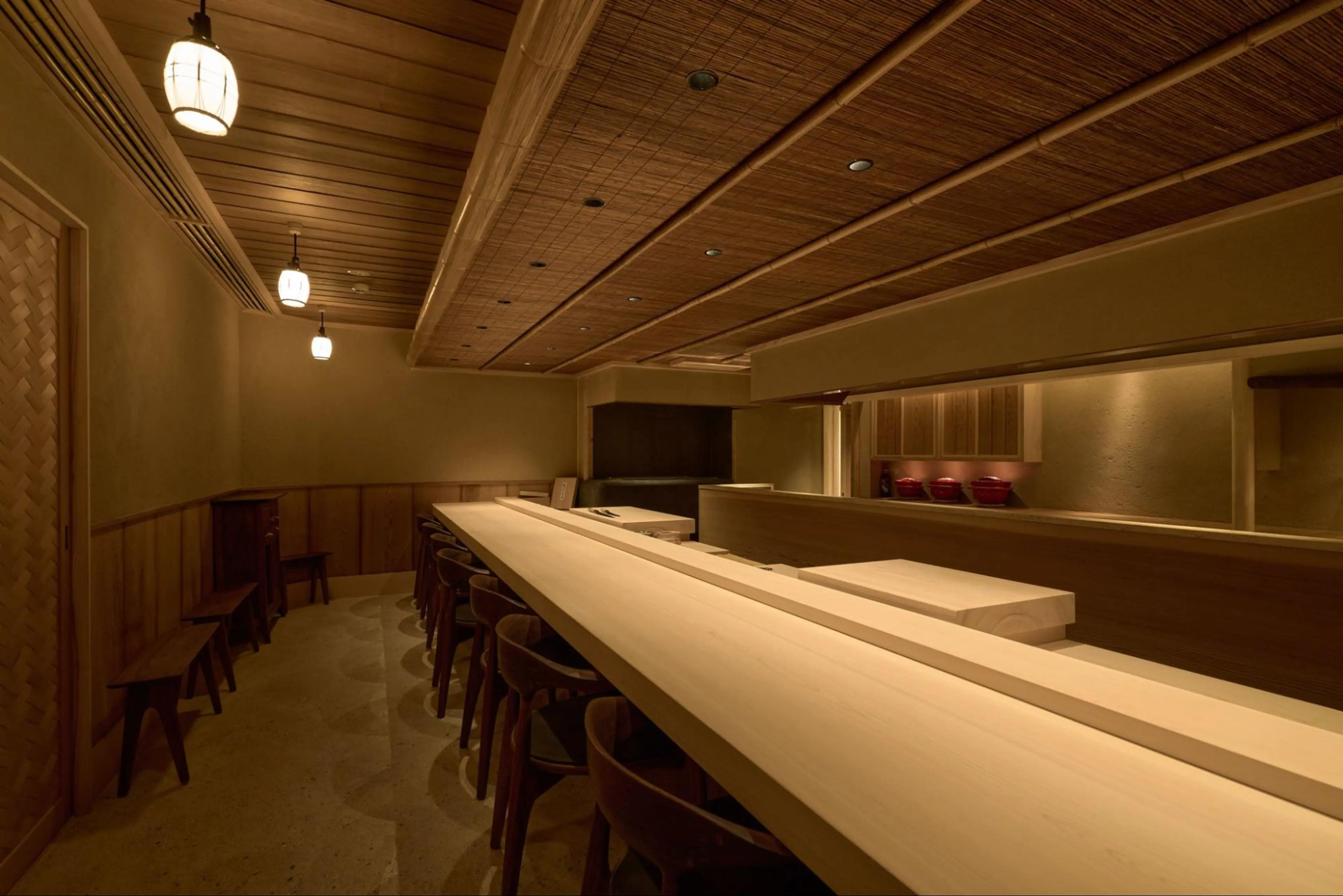
Chef Sassa, who is concerned about the declining harvest of Ma-kombu (true kombu) used at 【Japanese Cuisine Sassa】, expressed his sense of crisis over the situation. "If good ingredients can’t be harvested, it becomes difficult to maintain the quality of the dishes. It’s great that the world has developed in a convenient way, but I also think it’s important to make an effort to preserve Japan's traditions and good culture," said Chef Sassa. Through his words, I could feel his deep respect for Japanese cuisine, as well as his strong resolve to honor nature and tradition. Building on his experiences in China, Chef Yuuki Sassa has now opened 【Japanese Cuisine Sassa】 with great confidence, and we can't take our eyes off his future endeavors.
Interviews & Text / Mayako Ishige
Photography / Atsushi Sanada
Restaurant information
- AutoReserve Magazine
- The hottest new shop right now
- "Mastering the Deliciousness of 'Moments' and 'The Royal Path' – The Thoughts of Chef Yuuki Sassa, Owner of 【Japanese Cuisine Sassa】