Che cosa è Tottori?: Tottori sits on the Sea of Japan, where coastal harvests meet countryside produce to shape a quietly distinctive dining culture. Menus often highlight seasonal seafood such as snow crab and squid, alongside market-fresh sashimi and hot pots that suit the region’s winters. Local comfort dishes include beef-bone ramen with a mellow depth, tofu chikuwa grilled or steamed, and a well-loved curry tradition that appears in cafés and home kitchens. The area is also associated with the 20th Century pear and sand-dune rakkyō, ingredients that bring a crisp accent to sweets and pickles. In port towns and morning markets, visitors can browse simple eateries serving today’s catch, while in town centers they may find kaiseki, izakaya fare, bakeries, and contemporary bistros. Historically, the former Inaba and Hōki provinces and routes along the San’in coast encouraged an exchange of techniques, leaving a foodway that values seasonality, restraint, and everyday hospitality.
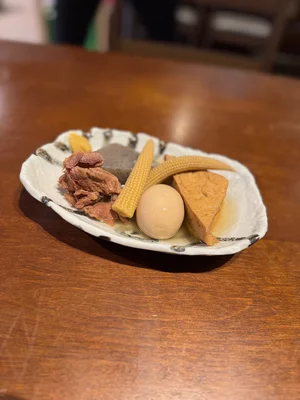
Che cosa è Oden?: Oden is a comforting Japanese one-pot style in which assorted ingredients are gently simmered in a fragrant dashi broth. Typical selections include daikon radish, hard-boiled eggs, konnyaku, tofu, fish cakes such as chikuwa and hanpen, mochi-filled pouches, and occasionally beef tendon. As the items bathe in the broth, they gradually take on savory depth, inviting a slow, unhurried pace of eating. Many venues present a large steaming pot at the counter, where guests choose pieces by sight and aroma, often pairing them with a dab of hot mustard. Broths vary: some lean light and clear with kelp and bonito, others show a soy-forward profile, and certain regions offer miso-based styles. The category welcomes variation in portioning and pacing, from a single piece to a small assortment, making it adaptable to different occasions. Diners often appreciate the warmth, the subtle interplay of textures, and the quietly nostalgic atmosphere it can evoke.
 Japan Valutazioni degli utenti3.07(1risultati)Japan Valutazioni degli utenti3.06(1risultati)
.jpg?format=webp)


.png?format=webp)
.jpg?format=webp)

.jpg?format=webp)
.jpg?format=webp)