Che cosa è Akita?: Akita sits between the Sea of Japan and forested mountains, and its dining culture reflects a landscape shaped by rice fields, cold winters, and clear water. Menus frequently feature kiritanpo hot pot, Hinai-jidori chicken, iburigakko smoked pickles, and seasonal seafood such as hatahata, alongside mountain vegetables gathered in spring. Sake from local breweries pairs naturally with these dishes, with styles that echo the region’s climate and craft traditions. In markets, countryside eateries, and onsen towns, travelers encounter preparations that favor clean flavors, charcoal aroma, and careful preservation techniques. Folklore like the Namahage and snowbound life have long encouraged convivial meals around a shared pot, a custom that still informs hospitality today. Many diners explore tasting flights at breweries or seek set menus that highlight rice, miso, and smoked notes. Akita’s culinary rhythm feels unhurried, inviting a measured appreciation of ingredients, seasonality, and the stories behind each bowl.
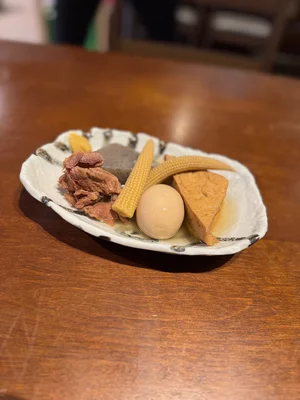
Che cosa è Oden?: Oden is a comforting Japanese one-pot style in which assorted ingredients are gently simmered in a fragrant dashi broth. Typical selections include daikon radish, hard-boiled eggs, konnyaku, tofu, fish cakes such as chikuwa and hanpen, mochi-filled pouches, and occasionally beef tendon. As the items bathe in the broth, they gradually take on savory depth, inviting a slow, unhurried pace of eating. Many venues present a large steaming pot at the counter, where guests choose pieces by sight and aroma, often pairing them with a dab of hot mustard. Broths vary: some lean light and clear with kelp and bonito, others show a soy-forward profile, and certain regions offer miso-based styles. The category welcomes variation in portioning and pacing, from a single piece to a small assortment, making it adaptable to different occasions. Diners often appreciate the warmth, the subtle interplay of textures, and the quietly nostalgic atmosphere it can evoke.


.png?format=webp)

.jpg?format=webp)

.jpg?format=webp)
.jpg?format=webp)