What is Ibaraki?: Bordered by the Pacific and nourished by fertile plains, Ibaraki offers a dining landscape where coastal seafood and farmland produce meet. Winter brings hearty tastes such as ankō (monkfish) hotpot, while markets and casual eateries highlight clams, river fish from lake areas, and crisp lotus root. Sweet potatoes appear in beloved dried forms, melons and chestnuts mark the seasons, and Hitachi beef can be found at venues that focus on regional ingredients. Mito’s natto stands as a symbol of local fermentation culture, and breweries and makers often highlight rice, koji, and water from nearby sources. Stories often link the Mito domain’s encouragement of soybean cultivation with the evolution of these traditions. From family-run diners to contemporary kitchens and cafes that reinterpret classics, travelers encounter menus shaped by proximity to fields and sea. Tasting routes that connect farms, fishing ports, and workshops are being discussed, inviting unhurried exploration across the prefecture.
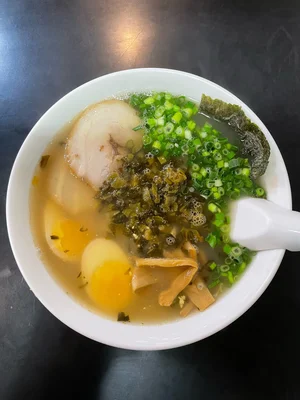
What is Ramen?: Ramen celebrates the harmony of broth, noodles, and toppings, offering a bowl that can feel comforting or bold depending on the style. Common broths include shoyu, shio, miso, and pork bone, often slow-simmered to draw out layered flavors, then balanced with a house tare and fragrant oils. Noodles range from ultra-thin to springy, curly strands, with firmness typically made to order to suit personal preferences. Toppings such as chashu pork, seasoned egg, menma bamboo shoots, nori, and scallions add aroma, texture, and contrast. Many shops feature an open kitchen and counter seating, where the pace is lively and the final assembly happens in view. Whether you gravitate toward a light, clear soup or a richer, opaque broth, the category invites exploration through regional styles, limited specials, and subtle variations in seasoning. The result is a customizable dining experience centered on balance, warmth, and satisfying slurpability.
Popular at Ibaraki
.jpg?format=webp)
.jpg?format=webp)
.jpg?format=webp)
.jpg?format=webp)
.png?format=webp)
.jpg?format=webp)
.jpg?format=webp)
.jpg?format=webp)
.jpg?format=webp)
.jpg?format=webp)
.jpg?format=webp)
.jpg?format=webp)
.jpg?format=webp)
.jpg?format=webp)
.jpg?format=webp)
.jpg?format=webp)
.jpg?format=webp)
.jpg?format=webp)


.jpeg?format=webp)
.jpeg?format=webp)
.jpeg?format=webp)
.jpeg?format=webp)
.jpeg?format=webp)
.jpeg?format=webp)
.jpg?format=webp)
.jpg?format=webp)
.jpg?format=webp)
.jpg?format=webp)

.jpg?format=webp)
.jpg?format=webp)
.jpg?format=webp)
.jpg?format=webp)
.jpg?format=webp)
.jpg?format=webp)
.jpg?format=webp)


.jpg?format=webp)
.jpg?format=webp)
.jpg?format=webp)
.jpg?format=webp)
.jpg?format=webp)
.jpg?format=webp)
.jpg?format=webp)
.jpg?format=webp)
.jpg?format=webp)
.jpg?format=webp)
.jpg?format=webp)
.jpg?format=webp)
.jpg?format=webp)
.jpg?format=webp)


.jpg?format=webp)
.jpg?format=webp)
.JPG?format=webp)
.jpg?format=webp)
.jpg?format=webp)
.jpg?format=webp)
.jpg?format=webp)
.jpg?format=webp)
.JPG?format=webp)
.jpg?format=webp)
.jpg?format=webp)
.jpg?format=webp)
.jpg?format=webp)
.JPG?format=webp)
.JPG?format=webp)
.jpg?format=webp)
.JPG?format=webp)
.JPG?format=webp)
.jpg?format=webp)


.jpg?format=webp)

.jpg?format=webp)
.jpeg?format=webp)


.jpg?format=webp)
.jpg?format=webp)
.jpg?format=webp)




.jpg?format=webp)
.jpg?format=webp)
.jpg?format=webp)
.jpg?format=webp)
.jpg?format=webp)
.jpeg?format=webp)