Was ist Japan?: Japan’s dining scene is often described as a dialogue between seasons, craftsmanship, and regional identity. From sushi, tempura, and kaiseki to ramen, yakitori, and wagashi, menus tend to highlight clarity of flavor and careful presentation. Travelers may notice distinct local styles: Hokkaido’s seafood, Tohoku’s comfort stews, Tokyo’s soba and modern interpretations, Kansai’s okonomiyaki and kushikatsu, Shikoku’s udon, Kyushu’s tonkotsu ramen, and Okinawa’s island influences. Many venues emphasize dashi, fermented seasonings such as miso and soy sauce, and precise knife work. A tradition linked to tea ceremony hospitality is said to shape the understated service and attention to detail found in many dining rooms. Street-side counters, casual izakaya, and refined multicourse experiences coexist, encouraging spontaneous tastings and planned outings alike. Seasonal specials, chef’s selections, and collaborative pop-ups appear in various neighborhoods, suggesting a food culture that balances heritage with ongoing creativity.
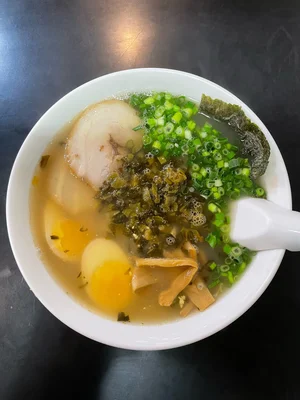
Was ist Ramen?: Ramen celebrates the harmony of broth, noodles, and toppings, offering a bowl that can feel comforting or bold depending on the style. Common broths include shoyu, shio, miso, and pork bone, often slow-simmered to draw out layered flavors, then balanced with a house tare and fragrant oils. Noodles range from ultra-thin to springy, curly strands, with firmness typically made to order to suit personal preferences. Toppings such as chashu pork, seasoned egg, menma bamboo shoots, nori, and scallions add aroma, texture, and contrast. Many shops feature an open kitchen and counter seating, where the pace is lively and the final assembly happens in view. Whether you gravitate toward a light, clear soup or a richer, opaque broth, the category invites exploration through regional styles, limited specials, and subtle variations in seasoning. The result is a customizable dining experience centered on balance, warmth, and satisfying slurpability.


 Japan Nutzerbewertungen3.96(47Einträge)

.png?format=webp)


 Japan Nutzerbewertungen4.07(7Einträge)


 Japan Nutzerbewertungen4.04(1Einträge)


.jpg?format=webp)
.jpg?format=webp)
.jpg?format=webp)
.jpg?format=webp)
.jpg?format=webp)
 Japan Nutzerbewertungen3.34(1Einträge)
Japan Nutzerbewertungen3.34(1Einträge)
 Japan Nutzerbewertungen3.35(1Einträge)
.jpg?format=webp)
.jpg?format=webp)
.jpg?format=webp)
.jpg?format=webp)
.jpg?format=webp)
 Japan Nutzerbewertungen3.83(1Einträge)
Japan Nutzerbewertungen3.83(1Einträge).jpg?format=webp)
.jpg?format=webp)
.jpg?format=webp)
.jpg?format=webp)
.jpg?format=webp)


 Japan Nutzerbewertungen3.25(1Einträge)
 Japan Nutzerbewertungen3.16(1Einträge)
.jpg?format=webp)
.jpg?format=webp)
.jpg?format=webp)


 Japan Nutzerbewertungen3.67(1Einträge)


 Japan Nutzerbewertungen3.56(2Einträge)


 Japan Nutzerbewertungen3.70(4Einträge)


 Japan Nutzerbewertungen3.52(2Einträge)
.png?format=webp)
.png?format=webp)
.png?format=webp)
.png?format=webp)
.png?format=webp)
.png?format=webp)
.jpg?format=webp)
.png?format=webp)
.jpg?format=webp)
.png?format=webp)
.jpg?format=webp)
.png?format=webp) Japan Nutzerbewertungen3.51(1Einträge)
Japan Nutzerbewertungen3.51(1Einträge)


 Japan Nutzerbewertungen3.51(1Einträge)


.jpg?format=webp)
.jpg?format=webp)
.jpg?format=webp)
 Japan Nutzerbewertungen3.49(1Einträge)
Japan Nutzerbewertungen3.49(1Einträge)


 Japan Nutzerbewertungen3.46(1Einträge)


.jpeg?format=webp)
.jpg?format=webp)


.jpg?format=webp)

.jpg?format=webp)
.jpg?format=webp)