Was ist Okinawa?: Okinawa, Japan’s southernmost prefecture, offers a dining scene shaped by island ingredients and a relaxed coastal rhythm. Menus often highlight Okinawa soba with layered broths, slow-braised pork such as rafute, and stir-fries like goya champuru that make use of distinctive island vegetables and firm island tofu. The seas contribute mozuku and umibudo (sea grapes), while tropical fruits appear in desserts and refreshments. Izakaya-style eateries, casual shokudo, and lively markets create opportunities to sample small plates, noodles, and homestyle dishes. Awamori, a long-standing local spirit, is commonly paired with savory bites and seafood. Influences from the era of the Ryukyu Kingdom—when trade connected these islands with surrounding regions—can be felt in the seasonings and techniques seen across the table. From beachside neighborhoods to central shopping streets, visitors find a range of kitchens that value simple preparation, balanced flavors, and ingredients that reflect the subtropical climate.
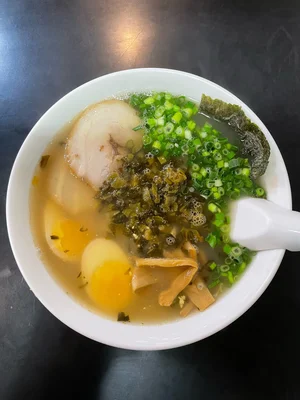
Was ist Ramen?: Ramen celebrates the harmony of broth, noodles, and toppings, offering a bowl that can feel comforting or bold depending on the style. Common broths include shoyu, shio, miso, and pork bone, often slow-simmered to draw out layered flavors, then balanced with a house tare and fragrant oils. Noodles range from ultra-thin to springy, curly strands, with firmness typically made to order to suit personal preferences. Toppings such as chashu pork, seasoned egg, menma bamboo shoots, nori, and scallions add aroma, texture, and contrast. Many shops feature an open kitchen and counter seating, where the pace is lively and the final assembly happens in view. Whether you gravitate toward a light, clear soup or a richer, opaque broth, the category invites exploration through regional styles, limited specials, and subtle variations in seasoning. The result is a customizable dining experience centered on balance, warmth, and satisfying slurpability.
.jpg?format=webp)
.jpg?format=webp)
.png?format=webp)
.png?format=webp)
.jpg?format=webp)
.png?format=webp)


.png?format=webp)


.jpg?format=webp)

.jpg?format=webp)

.jpg?format=webp)


.jpg?format=webp)
.jpg?format=webp)
.jpg?format=webp)