Was ist Okinawa?: Okinawa, Japan’s southernmost prefecture, offers a dining scene shaped by island ingredients and a relaxed coastal rhythm. Menus often highlight Okinawa soba with layered broths, slow-braised pork such as rafute, and stir-fries like goya champuru that make use of distinctive island vegetables and firm island tofu. The seas contribute mozuku and umibudo (sea grapes), while tropical fruits appear in desserts and refreshments. Izakaya-style eateries, casual shokudo, and lively markets create opportunities to sample small plates, noodles, and homestyle dishes. Awamori, a long-standing local spirit, is commonly paired with savory bites and seafood. Influences from the era of the Ryukyu Kingdom—when trade connected these islands with surrounding regions—can be felt in the seasonings and techniques seen across the table. From beachside neighborhoods to central shopping streets, visitors find a range of kitchens that value simple preparation, balanced flavors, and ingredients that reflect the subtropical climate.
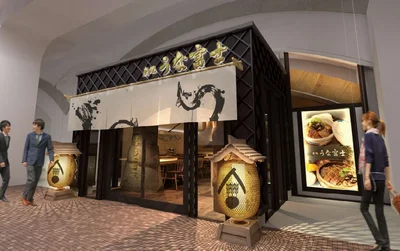
Was ist Eel?: Eel-focused restaurants highlight the pleasure of slow grilling over charcoal, where glossy tare lends a gentle sweetness and sheen while the skin turns lightly crisp and the flesh stays tender. Many menus feature kabayaki alongside salt-grilled fillets, and some kitchens employ a steam-then-grill method to emphasize a delicate texture. Bowls and lacquered boxes of eel over rice are common, as are regional styles that invite multiple ways to eat in one sitting. Diners may encounter white-grilled cuts seasoned simply, omelets rolled around eel, or a clear broth made with the liver. The counter often showcases the sizzle and aroma from the grill, shaping a dining experience that balances smoke, sauce, and craftsmanship. Attention to butchery, skewering, and precise heat control is central to the appeal, with small side dishes and pickles rounding out a meal that favors nuance and measured richness.


.jpg?format=webp)
.jpg?format=webp)
.jpg?format=webp)
.jpg?format=webp)
.jpg?format=webp)
.jpg?format=webp)
.jpg?format=webp)


.jpg?format=webp)

.jpg?format=webp)



.jpg?format=webp)