Was ist Hyogo?: Hyogo stretches from the Seto Inland Sea to the Sea of Japan, creating a dining landscape where coastal harvests meet mountain produce. Diners often encounter specialties such as Kobe beef and Tajima beef, bream and octopus from Akashi, small fish from the Inland Sea, and crab from the northern coast. Sake brewing in the Nada area, Tamba black beans, and noodle traditions in Harima add further depth to the pantry. The port history of Kobe introduced international influences, shaping a local love for yoshoku, bakeries, and coffee culture that sits comfortably alongside classic washoku. Seasonal menus, teppan-driven cooking, and seafood counters appear across cities, towns, and hot-spring resorts, encouraging relaxed, ingredient‑focused meals. Whether seeking refined courses or casual bites, the prefecture offers a spectrum of styles that reflects its varied geography and long-standing exchange with the world.
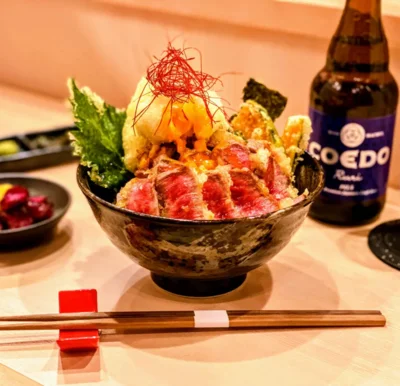
Was ist Tempura?: Tempura highlights the pleasure of batter and oil handled with restraint and precision. Diners often encounter prawns, white fish, squid, and seasonal vegetables lightly coated in a chilled batter and fried at a high temperature, yielding a crisp shell with tender textures inside. The experience frequently centers on timing: pieces arrive moments after leaving the fryer, inviting a relaxed pace as each bite is enjoyed while hot. Condiments such as tentsuyu with grated daikon, sea salt, or matcha salt offer contrasting accents. Menus may feature a counter service where items are presented one by one, mixed assortments for sharing, or pairings with rice and noodles like tendon, tempura soba, and udon. Variations in oil blends, batter thickness, and cut size create distinct aromas, sounds, and textures—from a gentle crackle to a lively sizzle—encouraging guests to compare nuances across ingredients and styles.


.jpg?format=webp)
.jpg?format=webp)
.jpg?format=webp)


.jpg?format=webp)
.jpg?format=webp)
.jpg?format=webp)
.jpg?format=webp)
.jpg?format=webp)
.jpg?format=webp)


.jpg?format=webp)
.jpg?format=webp)
.jpg?format=webp)
.jpg?format=webp)
.jpg?format=webp)
.jpg?format=webp)




.jpg?format=webp)

.jpg?format=webp)
.jpg?format=webp)


.jpg?format=webp)